


Why were we here?
We visited to see the bears and meet their keepers. This meant we could find out what it’s like to work with bears, to experience their lives, and to rehabilitate and enrich them following a poor start in life at a bear breeding facility in Romania.
What was it like at Wildwood?
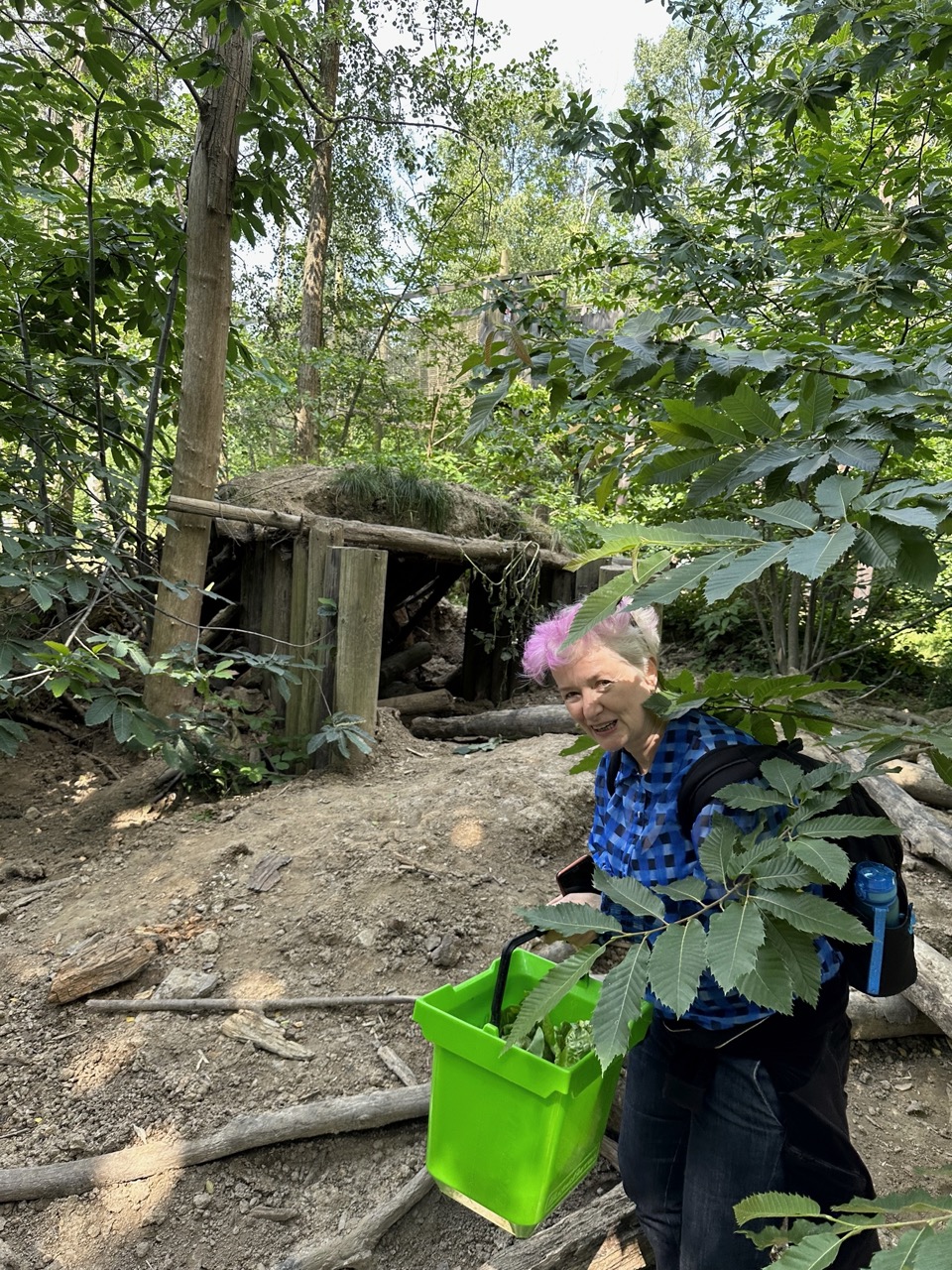
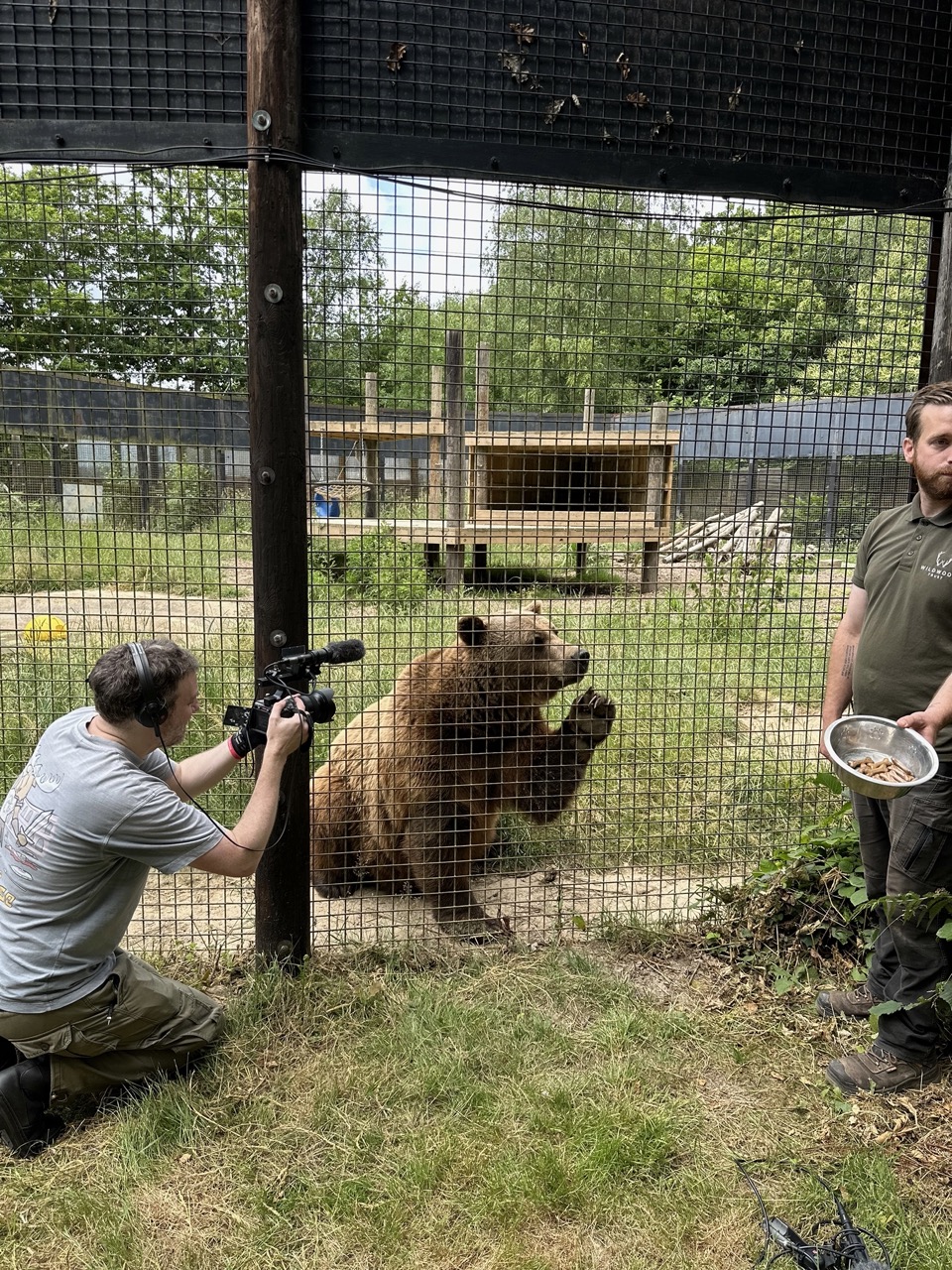
Wildwood couldn’t have been kinder to us for our visit – we fed the bears their breakfast, walking through the enclosure and distributing lettuce, dog biscuits, apples, and more. Bears are highly intelligent and curious, so it’s important to spread the food around to encourage them to forage for breakfast and keep them busy.
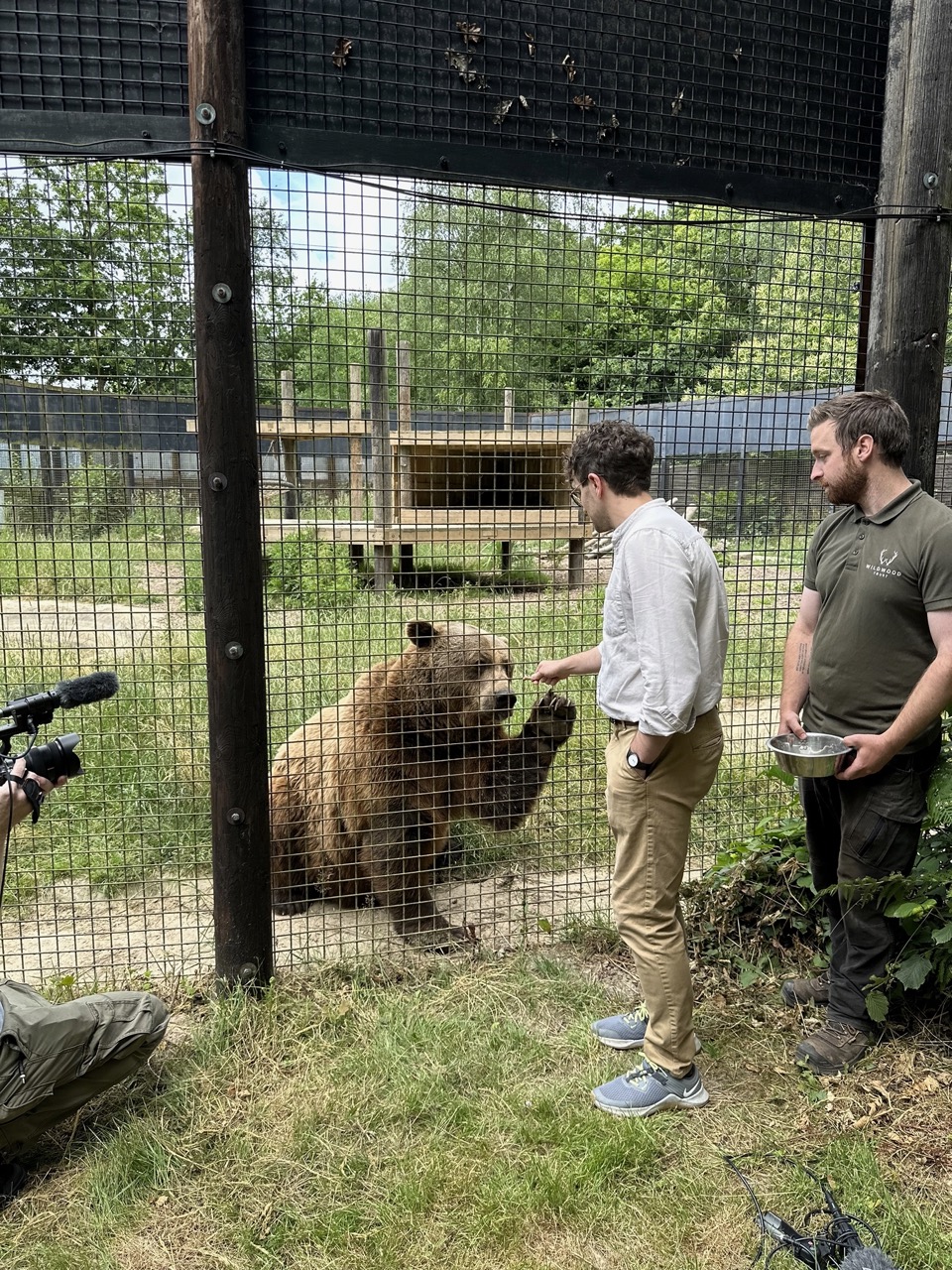
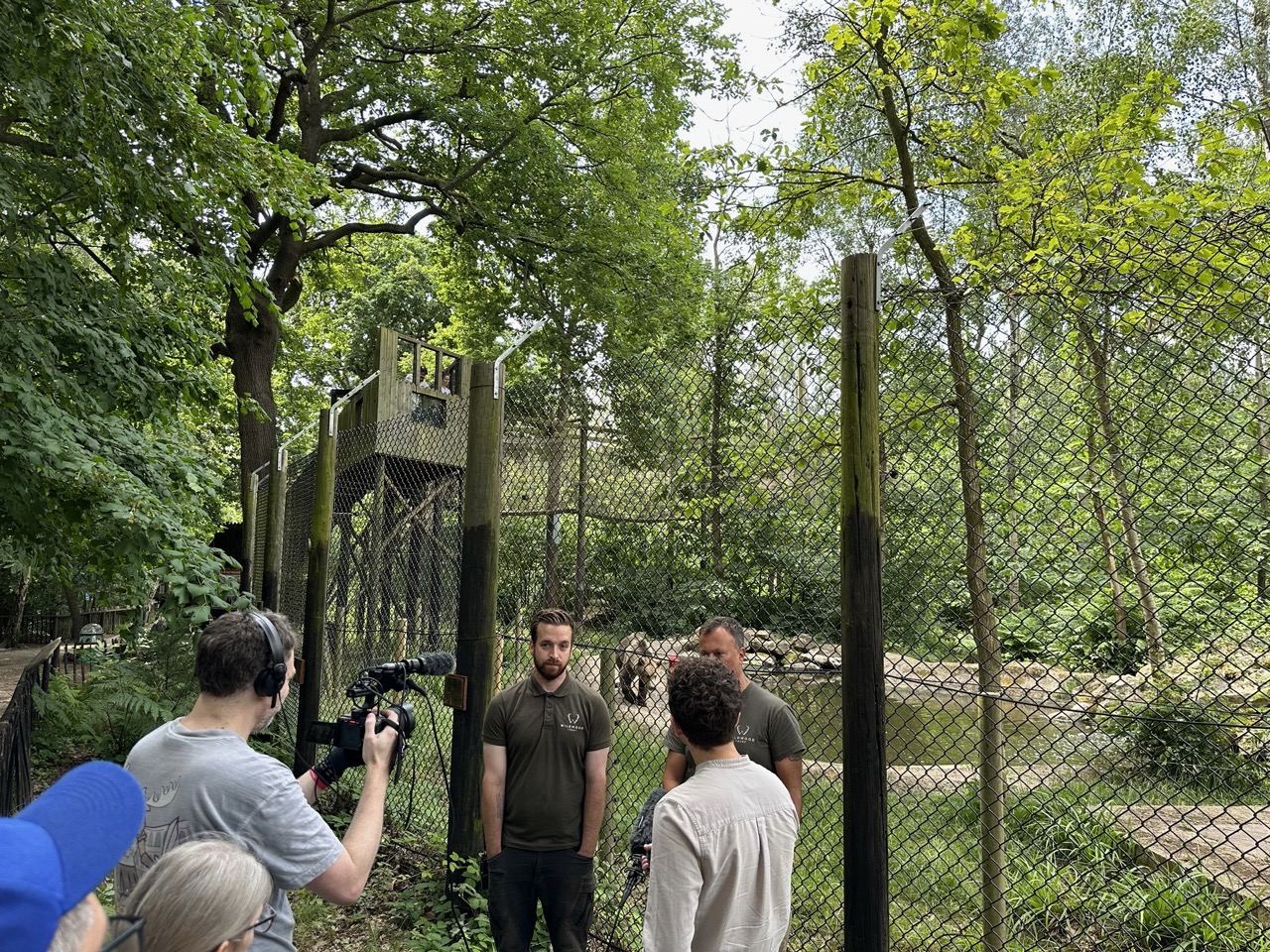
After this we interviewed Mark, the Director of Zoo Operations, and John, the Senior Bear Keeper (as you can see in one of our gallery images). They were hugely generous with their time, and we learned so many interesting and pertinent facts about bears and bear life. One of the most fascinating aspects were the overlaps between modern bear behaviour and what we’ve learned about Tudor bears…
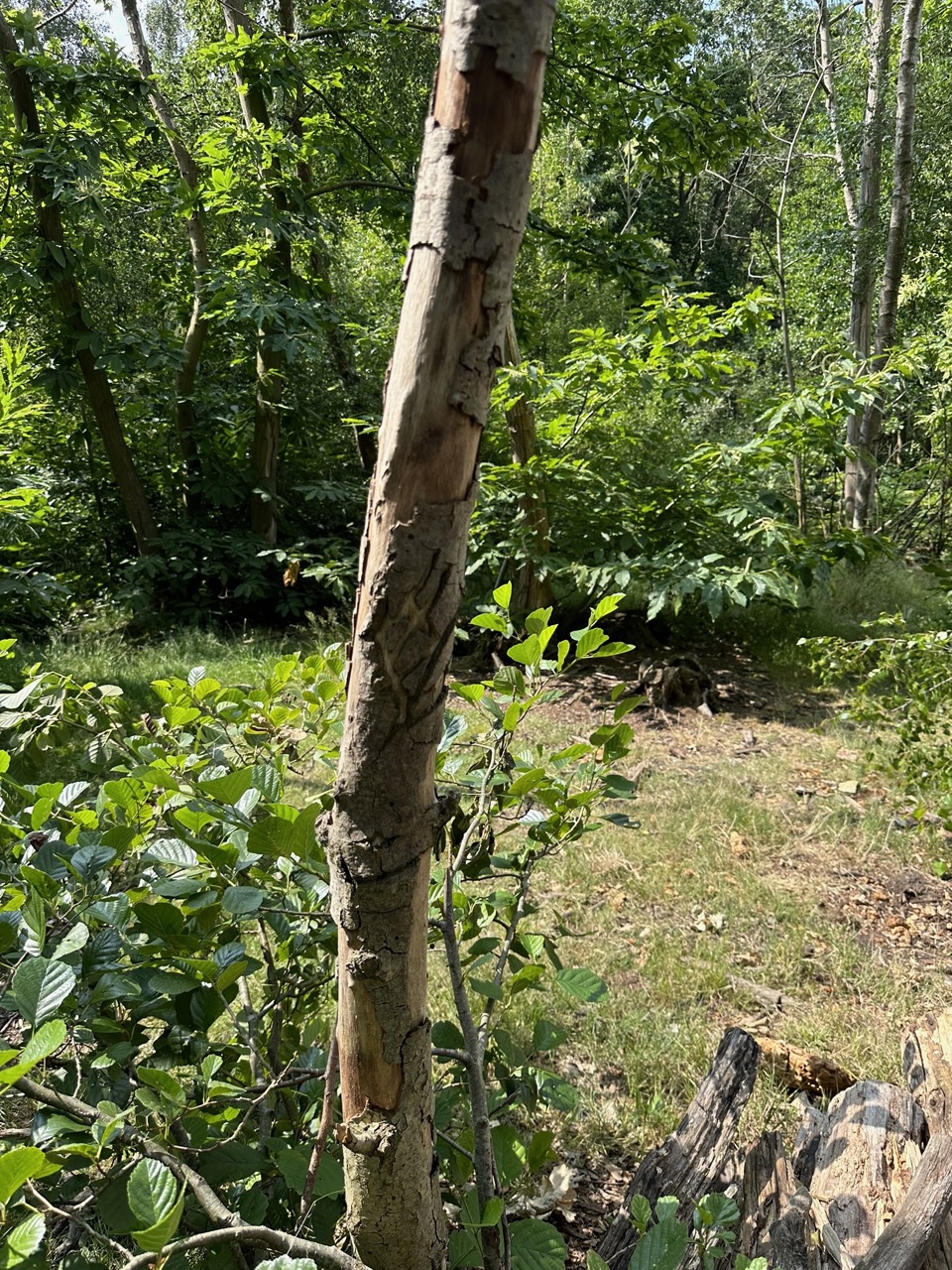
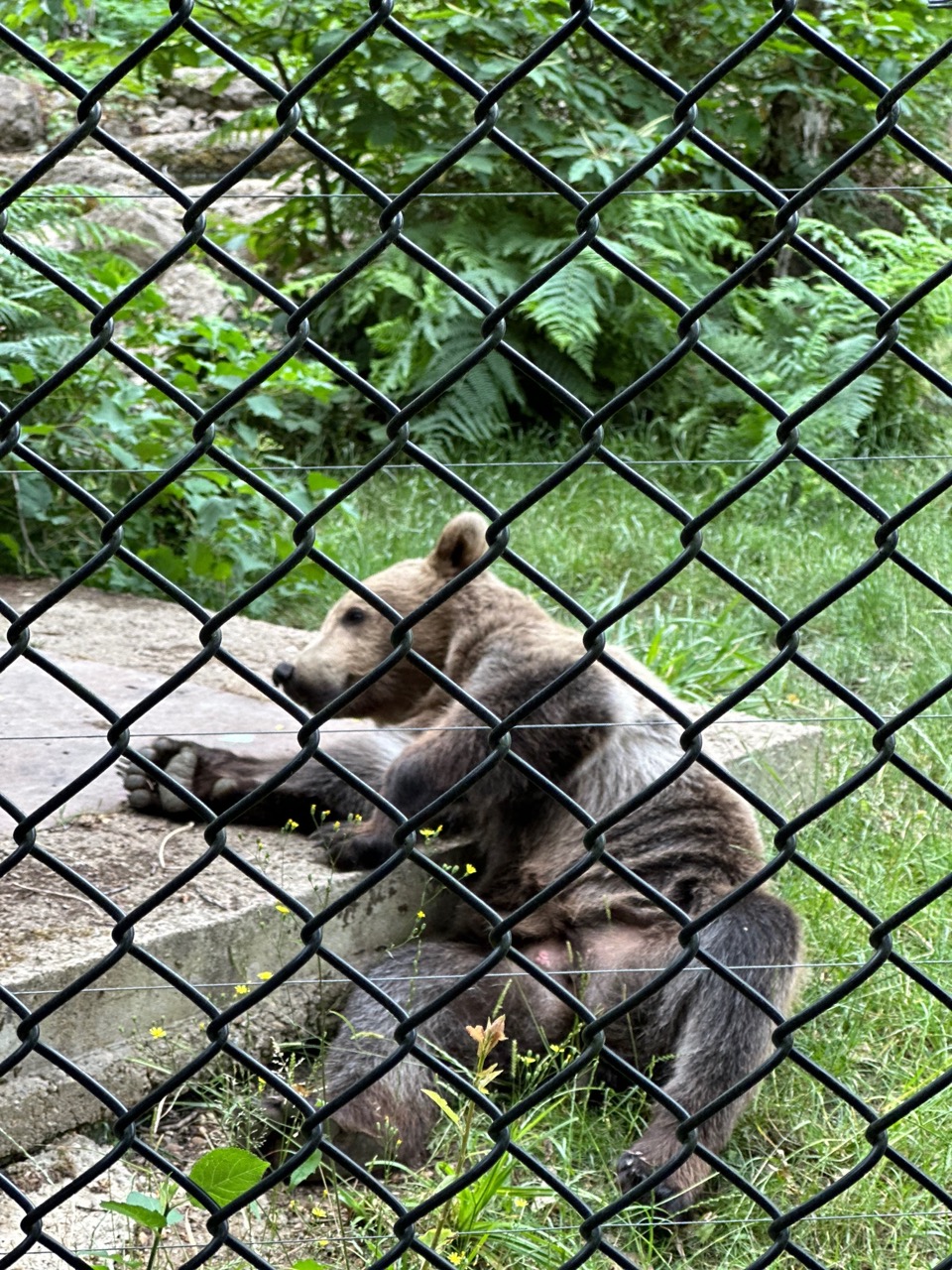
One small example links to an archival record of payment for ‘the harm which the bears did’ to their lodgings overnight. Boki, Wildwood’s youngest bear (who reclines in one of our images here), is constantly investigating his surroundings, giving the woodwork a good claw, or bite to explore and test it. Our BOB bears would have been housed in wooden buildings, so we can now well imagine what they might have got up to.
We finished our bear visit with the huge privilege of an interspecies moment – feeding gravy bone biscuits to Fluff, one of the older bears. The thing that separated this moment from so many ‘zoo experiences’ around the world was the agency of the animals. Fluff had a choice and chose to come and see what we were up to and then to receive biscuits. If, at any point he had wanted to walk away, he could, back into his multi-acre enclosure that he, Scruff, and Boki are free to roam.
The keepers’ care for their charges was abundantly clear. And the behavioural changes that the bears exhibit, having been released from a sterile pen in a hunting facility into their wooded enclosure, are enormous.
Such a rescue (with respite and rehabilitation) was not an option that the Tudor bears we study would ever have had. That remains the same for far too many bears across the world today. But I’m thankful that, for some, rescue has come and much of their agency is restored.
We’re very grateful to Wildwood for the experience, and Mark and John have given us much to think about. Watch out for our film(s) about the event coming soon to BOBTV.

Comments