




Creating Your Inner Mythic Bear - Creative Writing Workshops for LGBTQ+ People in Deptford
The idea for Creating Your Inner Mythic Bear – Creative Writing Workshops for LGBTQ+ People in Deptford – was born from my long-time interest in bears, a long-standing creative relationship with BOB Co-Investigator Andy Kesson, and the amazing invitation to attend Box Office Bears meetings and meet the team. I was blown away by discovering the BOB project, and immediately my imagination was working overtime – the alchemy of scientists and academics, zoo archaeologists and medieval animal noise researchers, baiting and ethics, hazmat suits and hoodies, ancient DNA and legal documents – with bears always at the centre of their investigations. Beartastic!
Background
As a writer and theatre maker, I run my own company ClerkinWorks and a few years ago I co-wrote a play called The Bear which toured 13 theatres in the UK – it was a whodunnit with a mythic bear. I have lived with bears in my imagination ever since. I am also an Associate Artist with the Albany Theatre, and part of my work there has been trying to develop and support a local LGBTQ+ creative community. This collaboration with BOB felt like an exciting opportunity to explore whether academic research can have unexpected outcomes, can speak to the hearts and imaginations of non-experts, and in this case do bears and the research findings resonate with a marginalised queer community?
Collaboration
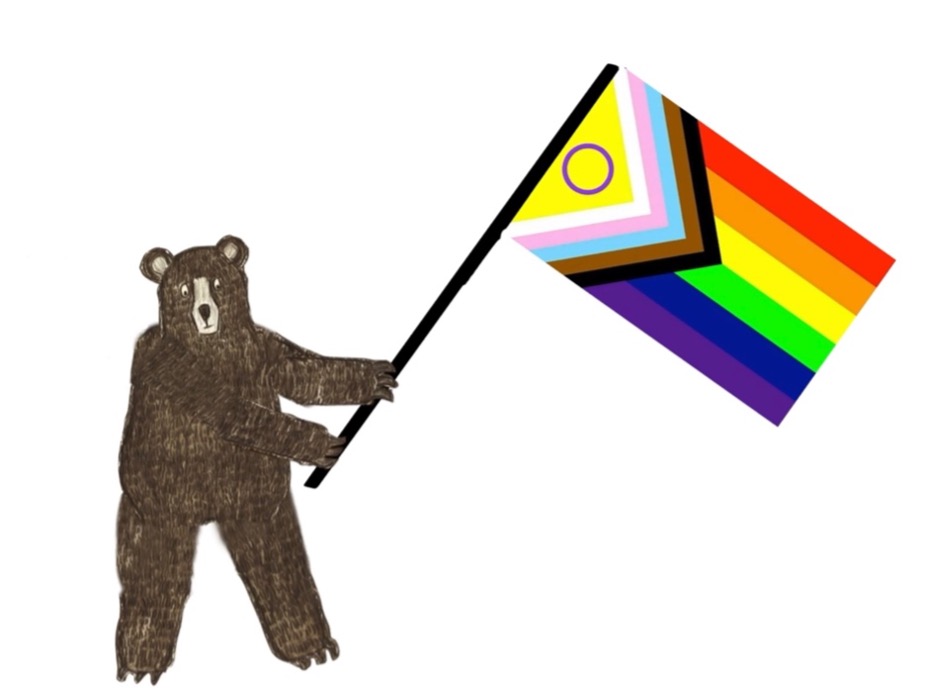
I spoke with James Oprey who has made films and animations for BOB, he created the advertising images (using a drawing of a bear by Annette Bowery), and animations to attract people to the workshops – these fab posters were displayed at the Albany, in Deptford Lounge (Library), and animations posted on twitter and Instagram.
View this post on Instagram
The Workshops
13 LGBTQ+ local people met in a room over the library in Deptford, I could feel the literary vibes float up from below, as we introduced ourselves. The writing generated by the participants in these 4 x weekly workshops was joyous, heartbreaking, insightful, ridiculous and mythic – sometimes all at once. Each week we explored different themes, I would set writing exercises using various gems from BOB’s research – some people had been attracted to the workshops because of the historical aspect, some people loved bears, others were just keen to find an LGBTQ+ writing group. The group bonded quickly, there were different levels of writing experience, lots of curiosity and generosity, and everyone either had a teddy bear and/or read a book/seen a film with a bear as a central character – all the participants enjoying the fact they already had a connection with a box office bear.
We began each session with Tai Chi & Qi Gong – one of the moves is called ‘bears swimming in the ocean’ and connects with the heart and the lungs. I consider writing to be a physical activity, warming the body up, relaxing muscles and finding flow supports creativity. I find there is also something magical about a group of strangers moving together in unison, breathing deeply and finding connection though movement.
First Exercise
In my introduction to the participants about the work of Box Office Bears I spoke about how there was surprisingly little written history about bears and bearbaiting in 1500-1600s. This chimed with the workshop’s LGBTQ+ participants, we had a discussion about evidence of our rich queer lives have often not been documented, missed out of history books, denied or forgotten. However, like the bears, proof of our existence can sometimes be discovered in legal papers and court documents – and the entries regarding bears and bear wards (bear keeper), brought to light by Callan Davies and other members of the BOB team have helped provide wonderful prompts.
Brilliant queer writers, some of whom had books in the library below us, have written historical novels with LGBTQ+ characters, some real, some conjured from their imaginations. They write us in. And this was part of our shared aim, to write us in. The Mythic Bears group discussed the importance of connecting with those who have come before us. The first writing exercise began with me telling the story of the great fire of Nantwich in 1583 and the four escaped bears – I asked the group to populate Nantwich with queer people, asking what might your characters have been doing on December 10th 1583 when the fire broke out. Everyone had the opportunity to share their stories with the group and we delighted in hearing salacious acts happening upstairs in John Seckerston’s Bear Inn, romantic dinners being interrupted by smoke, people taking advantage of the chaos in the town to do as they wanted, with whoever they wanted, and women taking bears into their homes.
Each week we explored a theme using images, maps and historical facts about bears – the fan letters written by participants to their chosen celebrity baiting-bears such as Chester and Little Bess of Bromley were amazing, and hearing the bear’s response was grrrreat. We pondered on the research which is trying to discover where the bears may have travelled from as they were not indigenous to England – some people shared their journeys to the UK while others imagined bears travelling on ships in wild waters. The photographs of the bear bones provided by Hannah O’Regan, from more than 30 bears found on Bankside, prompted queer stories of shared pain and wounds, recovery from violence, tenderness and caring with love. Some of these narratives included bears and others not, as everyone shared there was a connection with the horror of baiting, of being attacked – and the after-care required by injured animal/person and others.
Maps and Stories
A map was created by artist Owen Keefer with historical input from Liam Lewis, Sam West and Hannah O’Regan for a walking tour of Early Modern England Nottingham bears. We used this in the workshop to dream into this world, about the possibility of bears and queer people interacting or co-existing alongside each other. Number 7 on the map marks the churches of St Mary and St Peter and tells of a case where 25 people were prosecuted for baiting instead of being at prayer – a gift of a prompt for the groups wild imaginings including queer graffiti messages scratched on church benches, and a man wondering who snitched on his boyfriend. The map also ignited stories of free bear hugs, taxidermy in Wollaton Hall (I’m not letting you go), and secret assignations in the woods.
Mythic bears, folk stories about bears, warriors wearing bearskins led us to exploring our own anger, courage, strength, power and wildness. With these qualities attributed to bears it doesn’t seem so surprising that a thousand people might turn up on Bankside to watch bears fighting in Shakespeare’s time. We spoke about wrestling – BOB has brilliantly explored the connections with Ruff Play, a series of workshops exploring the overlaps between theatre, bears and combat – and we ruminated on the possibility of people wanting to see their rage externalised, played out in front of them. Through poems and stories we explored how might we stand in our power, harness the qualities of our inner mythic bears.
In discussing the various questions BOB’s ancient DNA researchers are testing we started to think about the sex and gender of the bears. As a group who included cis, transgender and non-binary people we wondered if in the future the categories might be different? What happens when bones are read differently to the lived experience of the animal (human or bear), what other questions will be prioritised in future research, what do you want the scientist to know or ask, what object would you like to be buried with? These prompts and discussions generated funny and moving tales. The group spoke about the joy of queering DNA testing.
At the end...
The workshops came to an end having created and shared personal stories and tall tales inspired by the rich and surprising research of sixteenth century bears and bear-baiting. The bear-loving queers all went for a beverage at the local inn, toasted bears and BOB, and gave me a hat (see the final floating image).
Comments