


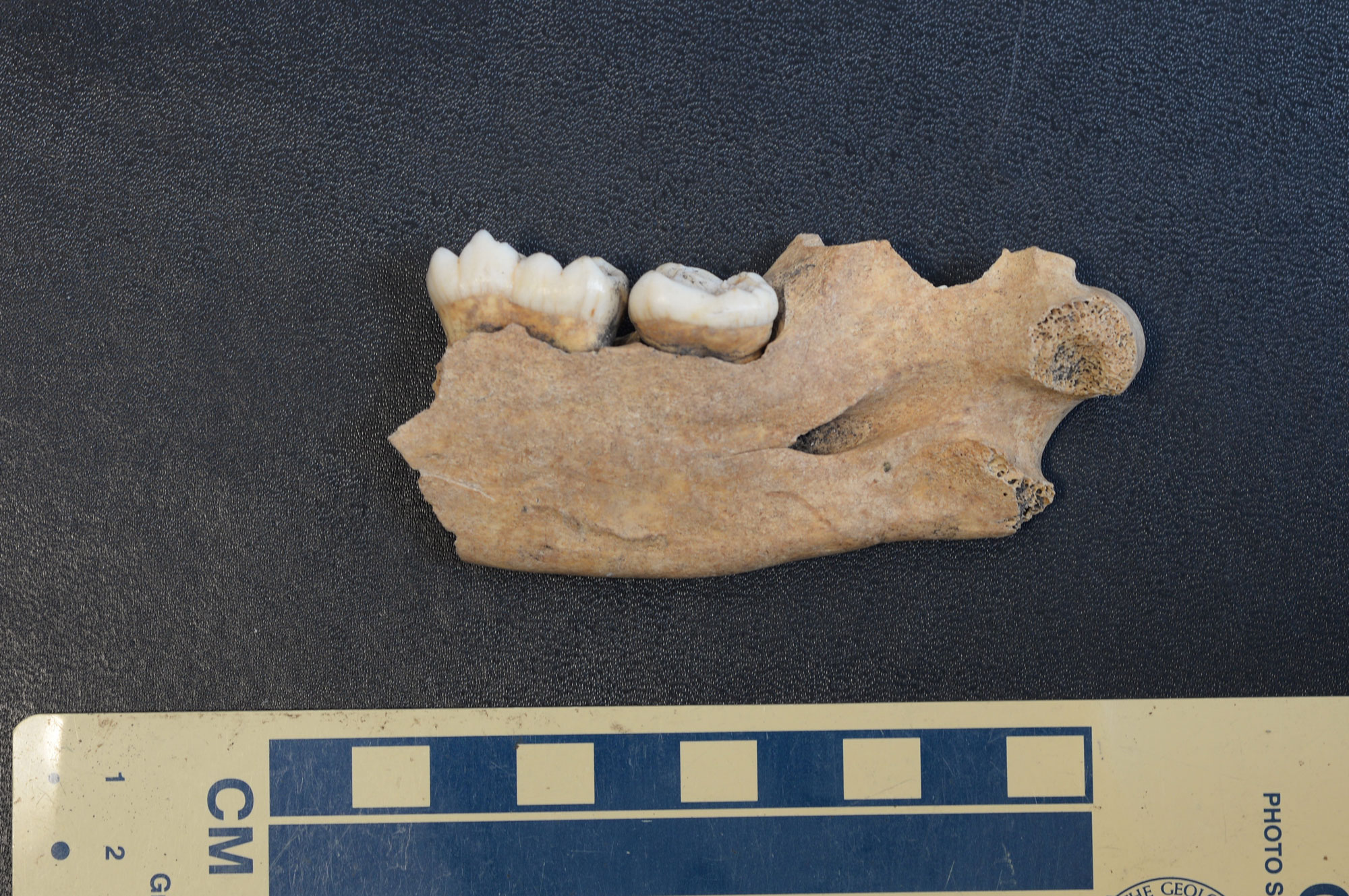
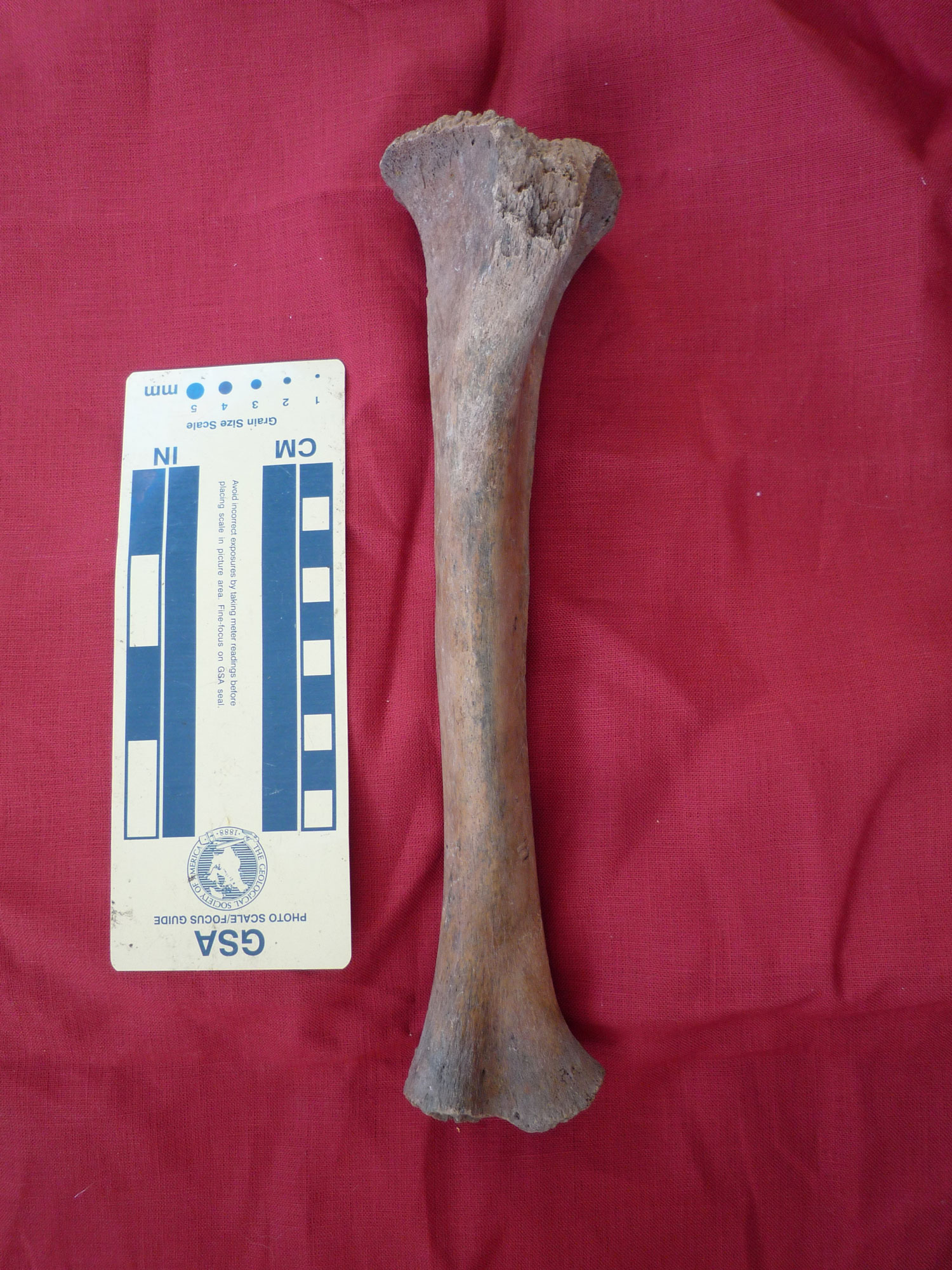
Unfused bear tibia. Photograph by Hannah O’Regan.
The Box Office Bears project explores the animal baiting industry in sixteenth- and seventeenth-century England. You can read more about the project in our about pages. We are focused on the lives and afterlives of the bears, dogs, horses, and other animals at the heart of this growing commercial activity.
As the train pulled out of Oxford station, I looked at the bag beside me and thought of all of the previous occasions when these bears had been on the move. It felt quite poignant that these wonderful creatures, who had travelled from overseas to England some 400 years ago and were then moved around at the behest of their owners, were taking journeys once more. In this case, however, our motives are not for profit or entertainment, but to find out more about the animals as individuals, their sexes, sizes, ages, origins and injuries, to balance the very human-sided perspective that we gain from the archives.
Bears on the Move
And make no doubt about it – early modern bears were kept busy for the entertainments of baiting (where dogs and bears fought for public entertainment) and probably also for dancing (although there are fewer archival records of this). The Monarch could command a baiting at whichever palace they were staying in, sometimes at very short notice:
“I have received a letter to have her majesty’s games to be at the court of Monday next, so short a warning as I never knew the like and my self not well […] Let her majesty understand of the Loss you had this winter of our best bears […] and so I will leave you for this time hoping you will do all your best endeavours to satisfy her.” (John Dorington to Philip Henslowe, regarding Queen Elizabeth I’s order for games, May 1600)
Plus, baitings were organised to entertain the Monarch on their progress about the country (no less than 13 bears were baited at the famous entertainments at Kenilworth Castle for Elizabeth I in 1575). But it wasn’t just a high-class sport. Baitings were organised for high days and holidays throughout England, and the bears had to travel to all of these occasions.
What we don’t know, despite having read many documents and looked at many pictures, is how the bears travelled. Did they walk or were they taken in carts between places?
There are a couple of hints in a Bearward’s Diary that survives in the archives at Dulwich College, which describes a trip taken from London to Gloucester in the early 1600s.
- despite this being a careful account of income and expenditure, there are no records of buying food for horses, which you would expect if they had been present.
- two entries for buying new shoes, once for the bearward and once for his companion. This could suggest that the humans accompanying the bears were walking and wearing their shoes out on a regular basis.
Other archives also hold clues – in 1597 in Canterbury John Blye was charged with allowing his two bears to ‘spoil the Queens highway’ (Records of Early English Drama: Kent 1: 233), while one Alexander Ascroft (alias Ormishawe) in Lancashire was charged with letting his bears walk across footways, causing the “fear” of the petitioner’s wife and children, “putting them in a fright” (Lancashire Archives, QSB 1/130, 54 [1635]). Apparently,”many and diverse times [bearwards] with their bears refuse the broad way and cometh with their bears [along] the said foot way.”
Apparently, “many and diverse times [bearwards] with their bears refuse the broad way and cometh with their bears [along] the said foot way.”
These are small gleanings, but perhaps suggest that the bears walked alongside their owners from place to place. There was an irony perhaps, in my now carrying the bears, carefully wrapped and gently bestowed in a pack on my back for their latest journey – they were on the move again, but this time they did not have to walk themselves to their destination.
We hope you’ll join us on our future travels with these bears and their kinfolk, as we move from laboratories to archives to performances.

Comments